
Architectural rendering services serve as the cornerstone of visual storytelling in the world of design, offering a gateway to a realm filled with creativity and innovation. This captivating narrative explores the intricate details of architectural rendering services, shedding light on their significance and impact in the realm of architecture and design.
As we delve deeper into the various facets of architectural rendering services, we uncover a tapestry of techniques, tools, and processes that shape the visual landscape of architectural projects with precision and finesse.
Overview of Architectural Rendering Services
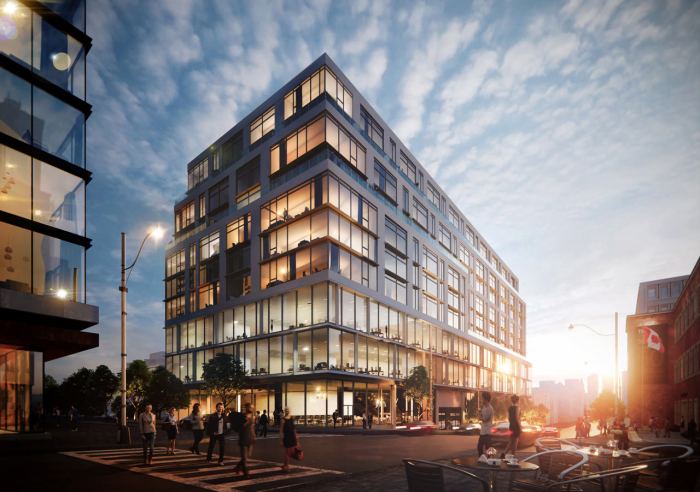
Architectural rendering services refer to the creation of detailed, realistic visualizations of architectural designs using computer software. These renderings provide clients and architects with a clear representation of how a project will look once completed.
Importance of Architectural Rendering
Architectural rendering plays a crucial role in the design process by allowing stakeholders to visualize the final outcome of a project before construction begins. This visual representation helps in making informed decisions about the design, layout, materials, and overall aesthetic appeal of the building.
- Enhanced Communication: Architectural renderings serve as a common language for clients, architects, and other stakeholders to effectively communicate and understand the design vision.
- Cost-Efficiency: By identifying potential design flaws or improvements early on through renderings, costly changes during construction can be minimized, saving time and money.
- Marketing Advantage: High-quality renderings can be used for marketing purposes to attract potential buyers, investors, or tenants by showcasing the project's visual appeal.
- Creative Exploration: Architects can experiment with different design options and styles through renderings, allowing for creative exploration and innovation in the design process.
Types of Architectural Rendering
Architectural rendering involves various techniques to visually represent architectural designs. Here are the different types of architectural rendering techniques:
2D Rendering
2D rendering involves creating flat, two-dimensional images of architectural designs. This type of rendering is commonly used for floor plans, elevations, and site plans.
3D Rendering
3D rendering creates three-dimensional images that provide a realistic representation of architectural designs. This type of rendering allows for better visualization and understanding of the design.
Photorealistic Rendering
Photorealistic rendering aims to create images that are indistinguishable from real photographs. This type of rendering is highly detailed and realistic, making it ideal for presenting designs to clients or for marketing purposes.
Artistic Rendering
Artistic rendering involves adding artistic elements to the architectural design, such as hand-drawn sketches or watercolor effects. This type of rendering can evoke a certain mood or style, making it suitable for showcasing unique design concepts.
Comparison of Rendering Types
- Advantages of 2D Rendering:Cost-effective, easy to create, suitable for basic design presentations.
- Disadvantages of 2D Rendering:Limited depth perception, less realistic compared to 3D rendering.
- Advantages of 3D Rendering:Better visualization, realistic representation, ideal for complex designs.
- Disadvantages of 3D Rendering:Time-consuming, higher cost, may require specialized software and skills.
- Advantages of Photorealistic Rendering:Highly realistic, great for client presentations, marketing materials.
- Disadvantages of Photorealistic Rendering:Requires high computing power, time-consuming to create, can be expensive.
- Advantages of Artistic Rendering:Adds a unique touch, evokes emotions, showcases creativity.
- Disadvantages of Artistic Rendering:May not provide an accurate representation of the final design, subjective interpretation.
Examples of Suitable Projects
2D rendering is suitable for simple residential floor plans and basic interior designs.
3D rendering is ideal for presenting complex architectural projects like commercial buildings or urban developments.
Photorealistic rendering works well for luxury residential properties, high-end hotels, and interior design projects.
Artistic rendering is perfect for showcasing conceptual designs, artistic installations, and creative architectural concepts.
Tools and Software for Architectural Rendering
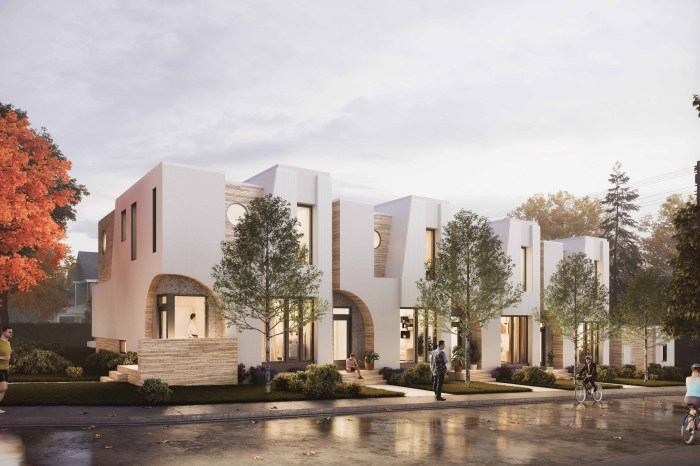
When it comes to creating stunning architectural renderings, professionals rely on a variety of tools and software to bring their designs to life. These software programs offer a range of features and capabilities that cater to different needs and preferences.
Popular Tools and Software
- Autodesk 3ds Max:This industry-standard software is widely used for architectural visualization due to its powerful modeling and rendering capabilities. It offers advanced lighting and material options, making it ideal for creating realistic scenes.
- SketchUp:Known for its user-friendly interface, SketchUp is popular among architects and designers for creating 3D models quickly and efficiently. It integrates seamlessly with other software for rendering and animation.
- Blender:An open-source software, Blender offers a comprehensive suite of tools for modeling, animation, and rendering. It is highly customizable and supports a range of rendering engines for creating photorealistic images.
- V-Ray:This rendering engine is compatible with various 3D modeling software and is renowned for its high-quality output. V-Ray offers advanced lighting and shading options, allowing users to achieve impressive results.
- Lumion:Designed for architects and designers, Lumion simplifies the rendering process with its real-time visualization capabilities. It enables users to create immersive architectural presentations with ease.
Importance of Choosing the Right Tools
Choosing the right tools and software for architectural rendering is crucial in achieving high-quality results. The software should align with the specific requirements of the project, whether it involves intricate details, realistic lighting, or quick turnaround times
Process of Creating Architectural Renderings
Creating architectural renderings involves several key steps that are essential for achieving high-quality visualizations. From concept development to final rendering, each stage plays a crucial role in bringing the design to life.
Concept Development
Concept development is the initial phase where ideas and designs are conceptualized. This stage involves brainstorming, sketching, and creating a basic Artikel of the project to establish the overall look and feel of the rendering.
Modeling
Modeling is the process of creating a 3D representation of the architectural design. This step involves building the structure, adding details, and ensuring accuracy in dimensions to create a realistic model that reflects the intended design.
Texturing
Texturing involves adding surface materials and finishes to the 3D model to enhance its appearance. This step includes applying textures, colors, and patterns to different elements of the design to create a more visually appealing rendering.
Lighting
Lighting is a crucial aspect of architectural renderings as it can greatly impact the overall look and atmosphere of the design. Proper lighting techniques are used to illuminate the scene, create shadows, and highlight key features of the architecture.
Rendering
Rendering is the final stage where the 3D model is transformed into a photorealistic image or animation. This process involves applying advanced rendering techniques, adjusting camera angles, and fine-tuning details to produce a high-quality visualization.
Tips for Optimizing the Rendering Process
- Use efficient modeling techniques to reduce unnecessary details and improve performance.
- Utilize high-quality textures and materials to enhance the realism of the rendering.
- Experiment with different lighting setups to find the best ambiance for the design.
- Regularly save versions of your work to prevent data loss in case of technical issues.
- Consider using rendering presets or templates to streamline the process and save time.
Common Challenges and How to Overcome Them
- Hardware Limitations:To overcome hardware limitations, consider using render farms or cloud rendering services to speed up the rendering process.
- Complex Geometry:Simplify complex geometry or use optimization tools to improve rendering performance without compromising quality.
- Texture Issues:Check for texture scaling, mapping errors, or missing textures that could affect the final rendering quality.
- Lighting Problems:Experiment with different lighting setups, adjust light intensity, and use global illumination to solve lighting issues in the rendering.
Importance of Lighting in Architectural Rendering
Lighting plays a crucial role in creating realistic architectural renderings by enhancing the overall quality and visual appeal of the design. It helps in highlighting key features, creating depth, and setting the mood for the space being visualized.
Different Lighting Techniques Used in Architectural Rendering
- Global Illumination: This technique simulates the way light bounces off surfaces, creating realistic shadows and reflections.
- Daylighting: Utilizing natural light to illuminate the space, providing a sense of realism and warmth to the rendering.
- Artificial Lighting: Incorporating artificial light sources such as lamps, pendants, and spotlights to enhance specific areas and create a desired ambiance.
Examples of How Lighting Enhances Rendering Quality
Proper lighting can transform a flat image into a dynamic and lifelike representation of the design. For instance, soft ambient lighting can create a cozy atmosphere in a residential interior rendering, while dramatic lighting can emphasize the grandeur of a commercial space like a hotel lobby.
By strategically placing light sources and adjusting their intensity, architectural renderings can evoke different emotions and bring the design to life.
Impact of Architectural Rendering on Real Estate Marketing
Architectural renderings play a crucial role in shaping the marketing strategies of real estate properties. They have the power to transform a simple blueprint into a visually stunning representation that can attract potential buyers and investors.
Enhancing Visual Appeal
High-quality architectural renderings have the ability to bring a project to life before it is even built. By showcasing realistic details such as materials, textures, colors, and lighting, renderings create an emotional connection with the audience, making them envision themselves in the space.
Building Trust and Confidence
Real estate marketing heavily relies on building trust with potential buyers and investors. Architectural renderings provide a clear and accurate representation of the final product, instilling confidence in the stakeholders about the project's quality and design.
Competitive Edge in the Market
In a competitive real estate market, having outstanding architectural renderings can set a property apart from the rest. Eye-catching visuals not only attract more attention but also help in differentiating the property from competitors, ultimately leading to increased interest and sales.
Closure
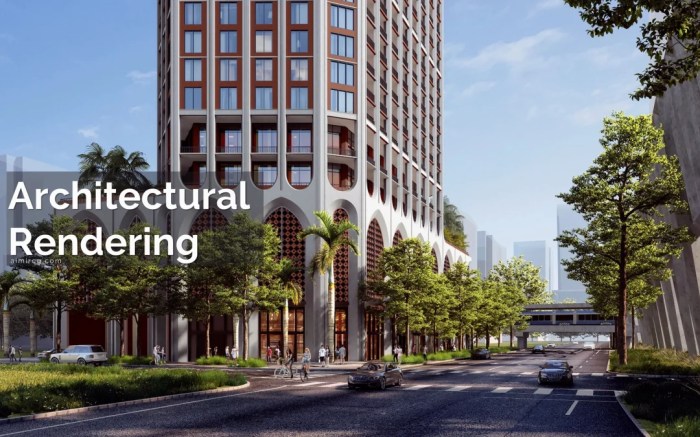
In conclusion, architectural rendering services stand as a testament to the power of visual communication in the design industry, bridging the gap between imagination and reality with seamless artistry. As architects and clients alike continue to harness the capabilities of rendering technology, the future of architectural visualization shines brighter than ever before.
Quick FAQs
What is the role of architectural rendering services in the design process?
Architectural rendering services play a crucial role in visually communicating design concepts, allowing architects and clients to better understand and visualize architectural projects before they are built.
What are the advantages of using photorealistic rendering techniques?
Photorealistic rendering techniques offer a high level of realism and detail, making them ideal for presenting architectural designs in a lifelike manner to clients and stakeholders.
How can lighting enhance the quality of architectural renderings?
Lighting plays a vital role in creating realistic architectural renderings by adding depth, ambiance, and realism to the visual representation of a design, elevating its overall quality.