
Delving into the realm of house siding installation cost unveils a complex interplay of factors that determine the overall expenses involved. From material choices to labor costs, each aspect plays a crucial role in shaping the final budget. This comprehensive guide aims to shed light on the intricacies of house siding installation costs, providing valuable insights for homeowners and enthusiasts alike.
As we navigate through the various elements influencing the cost of house siding installation, a deeper understanding of the process emerges, offering a glimpse into the world of construction and design.
Factors Affecting House Siding Installation Cost
When it comes to determining the cost of house siding installation, several factors come into play. Understanding how these factors influence the overall cost can help homeowners make informed decisions. Let's delve into some key factors affecting house siding installation cost.
Material Choice Impact
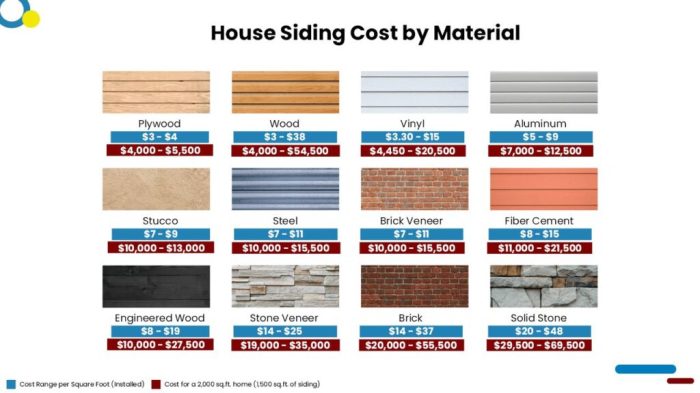
The choice of siding material significantly impacts the installation cost. Different materials come with varying price points, with some being more expensive than others. For example, premium materials like cedar and fiber cement tend to cost more upfront compared to vinyl or aluminum siding.
Additionally, the durability and maintenance requirements of each material can also affect long-term costs.
House Size and Layout Influence
The size and layout of the house play a crucial role in determining the overall cost of siding installation. Larger homes require more materials and labor to complete the project, resulting in higher costs. Complex layouts with intricate architectural details or multiple stories can also increase installation expenses due to the additional time and expertise needed to properly install the siding.
Role of Labor Costs
Labor costs are another key factor that influences the total installation cost of house siding. The skill level and experience of the installation crew can impact labor costs, as more experienced contractors may charge higher rates for their services. Additionally, factors such as accessibility to the work area, existing siding removal, and preparation work can all affect labor costs.
It's essential to consider labor expenses when budgeting for a siding installation project.
Types of House Siding Materials
When it comes to house siding materials, there are various options available, each with its own set of characteristics and costs. Let's compare and contrast different siding materials in terms of cost and long-term implications.
Vinyl Siding
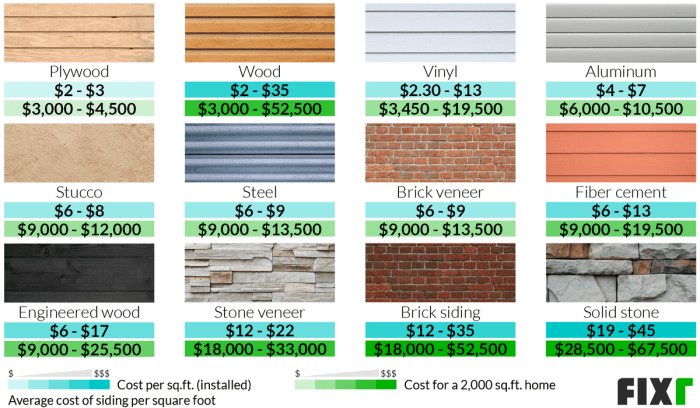
Vinyl siding is one of the most popular choices due to its affordability. On average, vinyl siding costs around $3 to $8 per square foot for materials, making it one of the most budget-friendly options. While the upfront cost may be low, vinyl siding might require more frequent replacements compared to other materials, leading to potential long-term costs.
Fiber Cement Siding
Fiber cement siding is a durable option that offers a similar look to wood siding but with lower maintenance requirements. The average cost of fiber cement siding ranges from $5 to $12 per square foot for materials. Although the initial cost is higher than vinyl, fiber cement siding is known for its longevity and resistance to elements, potentially reducing long-term maintenance expenses.
Wood Siding
Wood siding provides a natural and timeless aesthetic to homes but comes at a higher cost compared to vinyl and fiber cement. The average cost of wood siding can vary greatly depending on the type of wood used, ranging from $6 to $15 per square foot for materials.
While wood siding adds charm and character to a home, it requires regular maintenance, such as painting or staining, which can increase long-term costs.
Aluminum Siding
Aluminum siding is known for its durability and resistance to rust, making it a low-maintenance option. The average cost of aluminum siding ranges from $5 to $10 per square foot for materials. While aluminum siding is relatively affordable, it may dent easily and might not offer the same level of insulation as other materials, potentially impacting long-term energy costs.
Brick Siding
Brick siding is a premium option that provides a timeless and elegant look to homes. The average cost of brick siding can be higher, typically ranging from $10 to $30 per square foot for materials. While brick siding is durable and requires minimal maintenance, the initial cost can be significant.
However, the longevity and classic appeal of brick siding may outweigh the upfront investment in the long run.
Cost Breakdown of House Siding Installation
When it comes to the cost breakdown of house siding installation, there are several components that contribute to the overall expenses. Understanding these costs can help you better plan and budget for your siding project.Labor Costs:Labor costs typically make up a significant portion of the total installation cost.
This includes the wages of the workers who will be installing the siding on your house. The complexity of the installation, the size of your home, and the experience of the laborers can all impact labor costs.Materials Costs:The cost of materials is another crucial factor in the overall installation cost.
Different siding materials have varying price points, with some being more expensive than others. The quality, durability, and aesthetic appeal of the materials will also affect the overall cost.Permit Costs:Depending on where you live, you may need permits to install new siding on your home.
Permit costs can vary depending on the location and the type of siding being installed. It's essential to factor in permit costs when budgeting for your project.Equipment Costs:In some cases, specialized equipment may be needed for the siding installation process.
Renting or purchasing equipment can add to the overall cost of the project. Make sure to consider any equipment costs when planning for your siding installation.Tips for Cost-saving Measures:
- Get multiple quotes from different contractors to compare prices and services.
- Consider DIY options for simple siding installations to save on labor costs.
- Opt for cost-effective siding materials that still offer durability and aesthetic appeal.
- Plan your project during the off-season when contractors may offer discounts.
- Properly maintain your siding to prolong its lifespan and avoid costly repairs or replacements.
Cost Breakdown Table
| Cost Component | Contribution to Overall Cost |
|---|---|
| Labor Costs | 30-50% |
| Materials Costs | 40-60% |
| Permit Costs | 5-10% |
| Equipment Costs | 5-10% |
Additional Costs to Consider
When planning for house siding installation, it's important to consider potential additional costs that may arise. These can include factors such as the removal of old siding, necessary repairs, the impact of geographical location on installation costs, as well as how customization and design choices can affect the total cost.
Removal of Old Siding
When installing new siding, the cost of removing the old siding must be taken into account. This can involve labor costs for the removal process, disposal fees for the old materials, and any repairs needed to the underlying structure.
Geographical Location
The geographical location of your home can also impact the cost of siding installation. Factors such as local labor rates, building regulations, and accessibility to the property can all influence the overall cost of the project.
Customization and Design Choices
Customization and design choices can significantly affect the total cost of house siding installation. Opting for premium materials, intricate designs, or unique finishes can increase the overall price of the project. It's important to consider your budget and preferences when making these decisions to ensure that the final result meets your expectations without exceeding your financial limitations.
Concluding Remarks
In conclusion, house siding installation cost is a multifaceted subject that requires careful consideration and planning. By exploring the factors, materials, and breakdown of costs, individuals can make informed decisions when embarking on a siding installation project. Whether opting for cost-saving measures or prioritizing design choices, understanding the nuances of installation expenses is key to a successful outcome.
Detailed FAQs
How does material choice impact house siding installation cost?
The material choice significantly influences the overall cost, with premium materials costing more than standard options.
What are the average costs per square foot for popular siding materials?
Popular siding materials like vinyl, wood, and fiber cement can range from $1 to $10 per square foot, depending on the quality.
Are there any cost-saving measures during the installation process?
Opting for off-peak seasons, bundling services, and comparing quotes from multiple contractors can help reduce costs.
How do customization and design choices impact the total cost?
Customization and intricate design choices can increase the overall cost due to the additional labor and materials required.