
Embark on a journey through the world of siding installation contractors, where expertise meets craftsmanship to transform your home. From the intricacies of material selection to the meticulous installation process, discover the key elements that make a siding contractor stand out in the industry.
Delve into the nuances of siding installation, uncovering the secrets to a successful home renovation project that elevates both aesthetics and functionality.
Introduction to Siding Installation Contractors
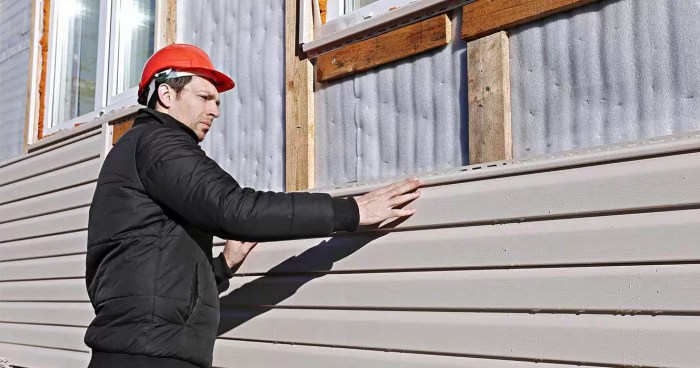
When it comes to installing siding for your home, hiring a professional siding installation contractor is essential to ensure the job is done correctly and efficiently. These contractors specialize in the installation of various types of siding materials, providing expertise and precision in completing the project.
Importance of Hiring a Professional
Professional siding installation contractors have the necessary skills and experience to handle the complexities of siding installation. They understand the importance of proper measurements, alignment, and finishing touches to ensure a seamless and durable result. By hiring a professional, you can avoid costly mistakes and ensure the longevity of your siding.
Services Offered
- Consultation and assessment of siding needs
- Selection of appropriate siding materials
- Precision installation of siding panels
- Trim work and finishing touches
- Inspection and maintenance services
Benefits of Working with Experienced Contractors
- Quality Workmanship: Experienced contractors deliver high-quality work with attention to detail.
- Efficiency: Professionals work efficiently to complete the project in a timely manner.
- Expertise: Contractors have the knowledge and skills to handle various challenges during installation.
- Peace of Mind: Hiring a professional ensures that the job is done right the first time, giving you peace of mind.
Types of Siding Materials
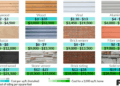
When it comes to siding materials, there are several options available in the market. Each material comes with its own set of advantages and considerations, making it crucial to choose the right one based on your needs and preferences.
Vinyl Siding
Vinyl siding is a popular choice due to its affordability, low maintenance requirements, and versatility in terms of colors and styles. It is durable, resistant to rot and insects, and easy to clean. The installation process involves securing the vinyl panels to the exterior of the building, allowing for expansion and contraction.
Vinyl siding is best suited for residential projects where cost-effectiveness and ease of maintenance are essential.
Fiber Cement Siding
Fiber cement siding is known for its durability, fire resistance, and ability to mimic the look of wood or stucco. It is low maintenance and resistant to rot, pests, and harsh weather conditions. The installation process for fiber cement siding involves cutting and securing the panels to the structure.
Fiber cement siding is ideal for projects where a premium, long-lasting finish is desired, such as high-end residential or commercial buildings.
Wood Siding
Wood siding offers a natural and timeless look, with options including cedar, pine, and redwood. While wood siding requires more maintenance compared to other materials, it can be painted or stained for a customized appearance. The installation process for wood siding involves overlapping the boards or panels and securing them to the wall.
Wood siding is best suited for projects where a traditional or rustic aesthetic is desired, such as cabins or historic homes.
Aluminum Siding
Aluminum siding is lightweight, easy to install, and resistant to rust and corrosion. It is also recyclable, making it an eco-friendly option. The installation process for aluminum siding involves interlocking the panels and securing them to the structure. Aluminum siding is suitable for projects where durability and sustainability are priorities, such as commercial buildings or eco-friendly homes.
Qualities to Look for in a Siding Installation Contractor
When choosing a siding installation contractor, it is crucial to consider several key qualities to ensure the job is done right and to your satisfaction. From certifications and licenses to reputation and cost estimates, here are some important factors to keep in mind.
Importance of Certifications and Licenses
One of the first things to check when hiring a siding installation contractor is their certifications and licenses. This ensures that the contractor has the necessary training and meets the industry standards for quality workmanship. A licensed contractor also provides you with legal protection in case of any issues during the project.
Verifying Reputation and Reliability
Before making a decision, it's essential to research the reputation and reliability of the contractor. Look for reviews and testimonials from previous clients to get an idea of their work quality and customer service. You can also ask for references and check with organizations like the Better Business Bureau to verify their credibility.
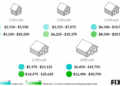
Evaluating Cost Estimates
When comparing cost estimates from different contractors, it's important to look beyond the bottom line. Consider the breakdown of costs, including materials, labor, and any additional fees. Be wary of significantly low estimates, as they may indicate subpar materials or workmanship.
Choose a contractor who provides a detailed and transparent estimate that aligns with your budget and project needs.
Siding Installation Process
Installing siding on a building involves a step-by-step process that requires specific tools and equipment. It is essential to understand the installation process to ensure the siding is properly installed and maintained for years to come.
Tools and Equipment Required for Siding Installation
- Siding Nailer: Used to secure the siding to the building.
- Circular Saw: To cut the siding to the required lengths.
- Level: Ensures the siding is installed straight and even.
- Tape Measure: Used to accurately measure and cut the siding.
- Utility Knife: For precision cutting and trimming of the siding.
Common Challenges Faced During the Installation Process
- Uneven Surfaces: Ensure proper preparation of the surface to avoid gaps or uneven siding installation.
- Weather Conditions: Install siding during ideal weather conditions to prevent damage or warping.
- Proper Alignment: Carefully align each piece of siding to ensure a seamless and professional finish.
Tips for Maintaining and Caring for Newly Installed Siding
- Regular Cleaning: Wash the siding with a mild detergent and water to remove dirt and debris.
- Inspect for Damage: Periodically check for any signs of damage or wear and tear to address issues promptly.
- Repainting: Consider repainting the siding every few years to maintain its appearance and protect it from the elements.
Closing Summary
As we conclude our exploration of siding installation contractors, remember that the right choice can make all the difference in the outcome of your project. With the knowledge gained here, you're equipped to make informed decisions and bring your vision to life with confidence.
FAQ Resource
What qualifications should I look for in a siding installation contractor?
Look for certifications, licenses, experience in the field, and positive reviews from past clients.
How can I verify the reliability of a siding installation contractor?
Check online reviews, ask for references, and inquire about their previous projects.
What are the common challenges faced during the siding installation process?
Issues like weather delays, structural problems, and material compatibility issues can arise.
How do I maintain newly installed siding?
Regular cleaning, inspections for damage, and prompt repairs are key to maintaining the integrity of your siding.